- Home /
- Alternative education
Alternative education
Understanding the options, the philosophies, and the realities behind learning differently.
Many paths, one shared intention: learning that makes sense
Alternative education is not one model or one method.
It is an umbrella term for approaches that place the learner, relationships, and real life at the center of learning, rather than a fixed curriculum alone.
At Joyce ’n’ Fun, we don’t promote a single system.
We explore, connect, and support multiple ways of learning, knowing that each child, family, and context is different.
Below is an overview of the main approaches you may encounter on your journey.
Non-Formal & Informal Education
Learning beyond the classroom
Non-formal education happens outside traditional school systems but within organized frameworks:
youth projects, Erasmus+ exchanges, workshops, community programs, trainings, and learning experiences with clear intentions but flexible outcomes.
Informal education is even more fluid.
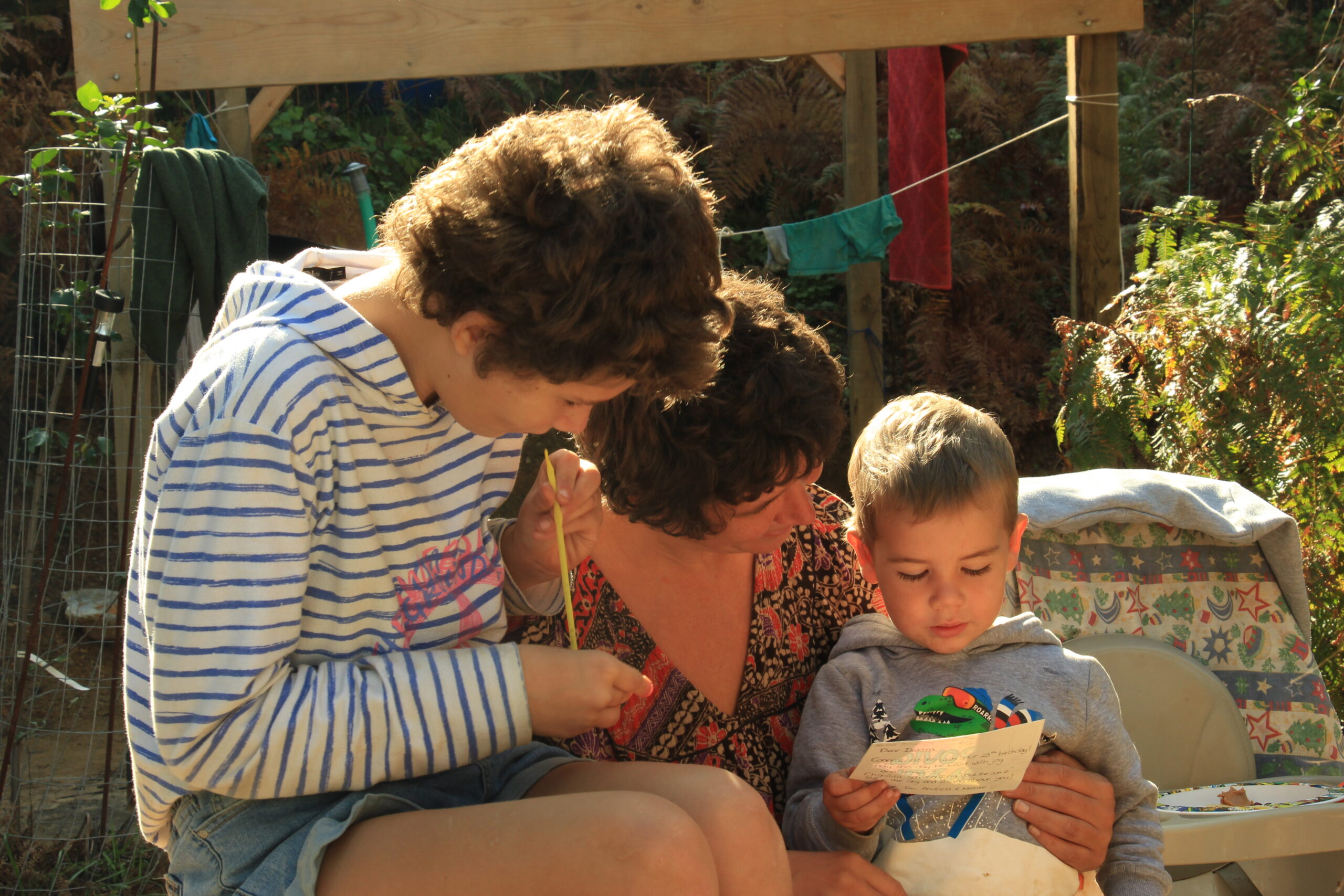
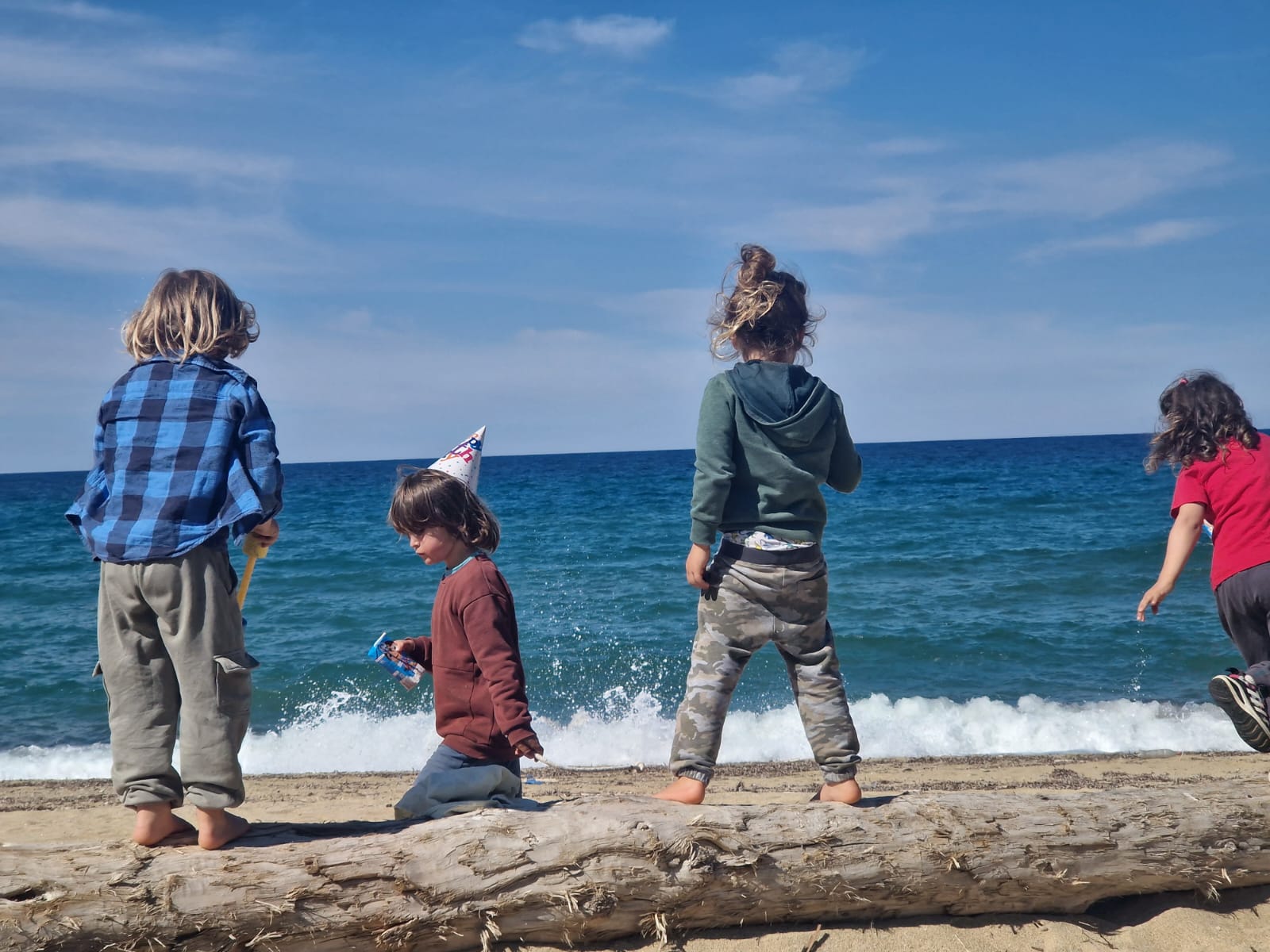
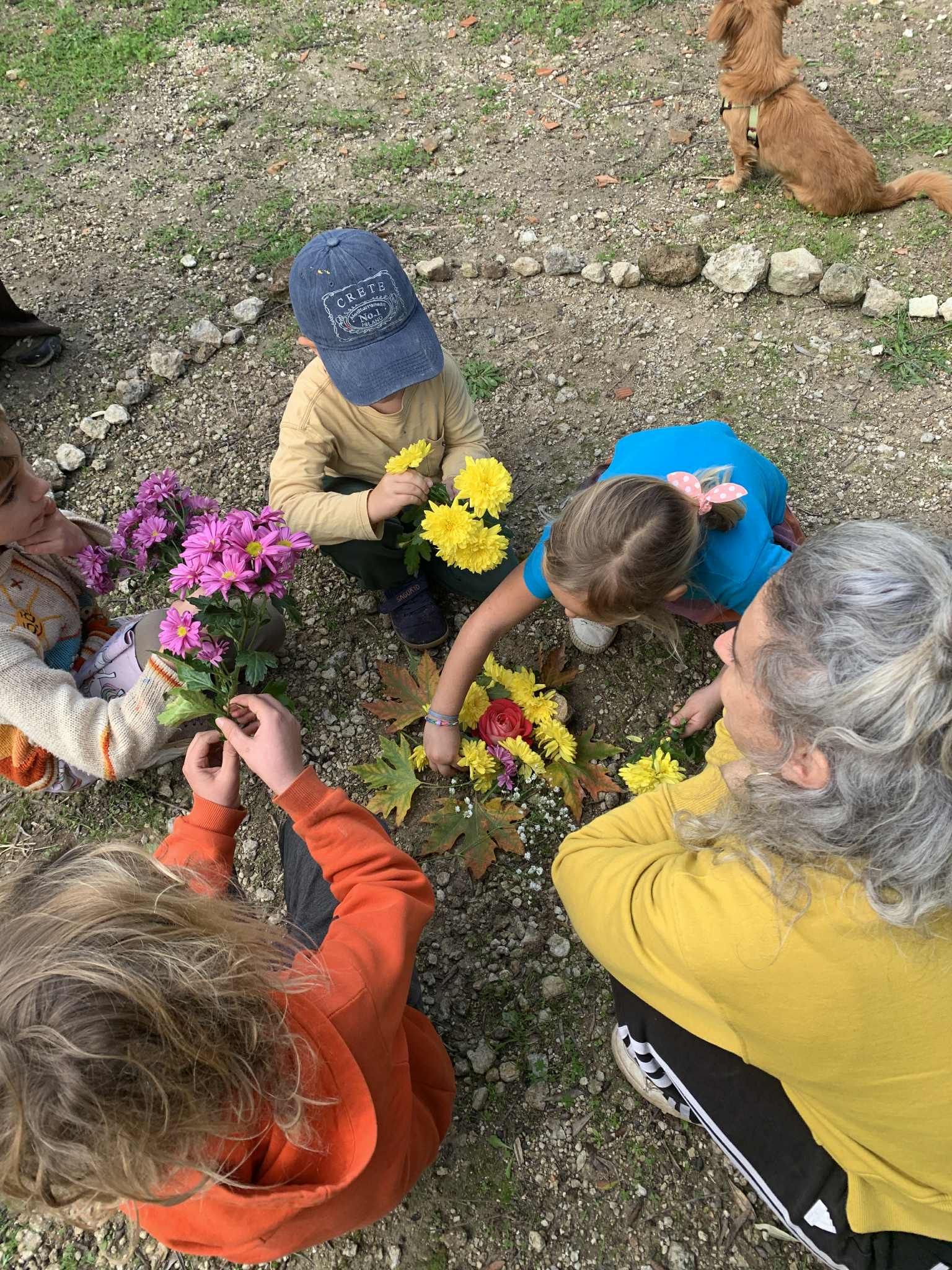
It happens through daily life: conversations, play, travel, volunteering, nature, creativity, mistakes, curiosity, and shared responsibility.
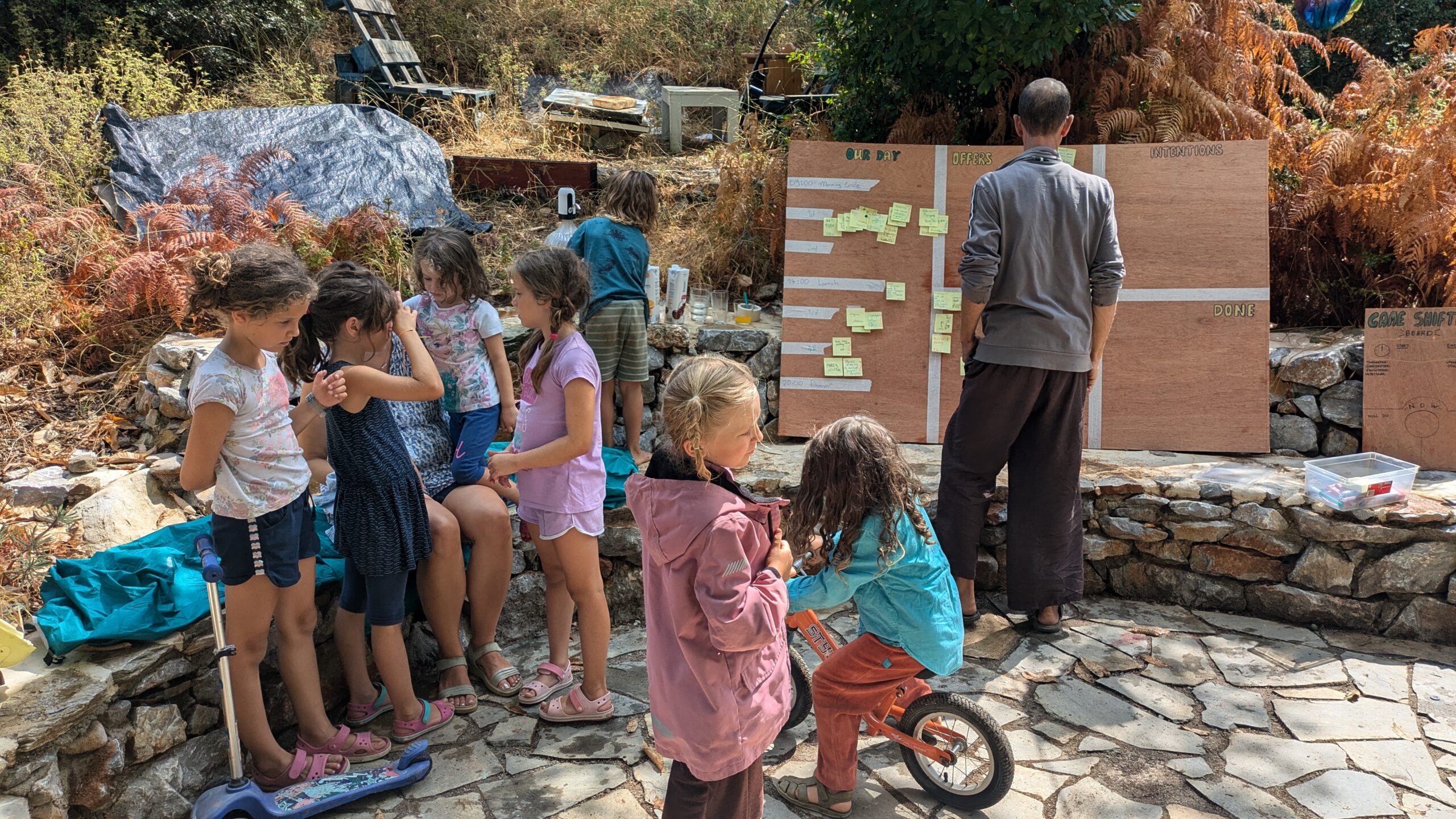
Much of what we do — from community living to youth projects and worldschooling — lives in this space where learning is lived, not delivered.
Homeschooling
Learning outside institutional school
Homeschooling refers to education led by families rather than schools.
It can take many forms: structured curricula, online programs, project-based learning, or mixed approaches.
In practice, homeschooling often overlaps with non-formal and informal learning, especially when families connect with communities, hubs, or learning networks.
Worldschooling
Learning through movement, culture, and connection
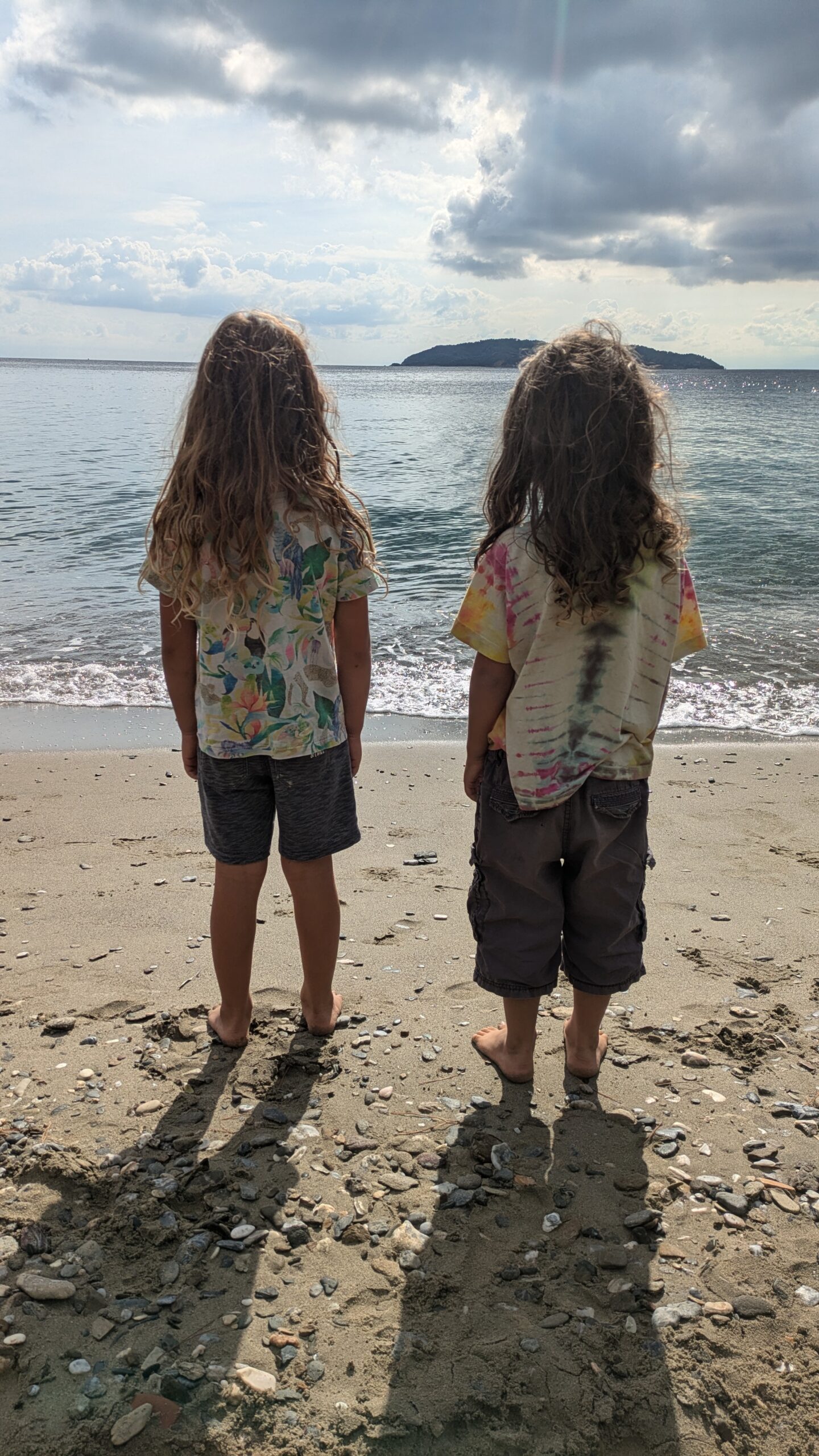
Worldschooling is an approach where the world itself becomes the classroom.
Families learn through travel, place-based experiences, cultural immersion, languages, and encounters with people of all ages.
Worldschooling can be nomadic or semi-settled, spontaneous or structured.
What unites worldschooling families is the belief that learning grows through lived experience.
Our Worldschooling Hub welcomes families who value:
nature-based living
community life
learner-centered rhythms
and meaningful connections across generations
Forest Schools & Nature-Based Learning
Rooted in the living world
Forest schools and nature-based education place nature at the heart of learning.
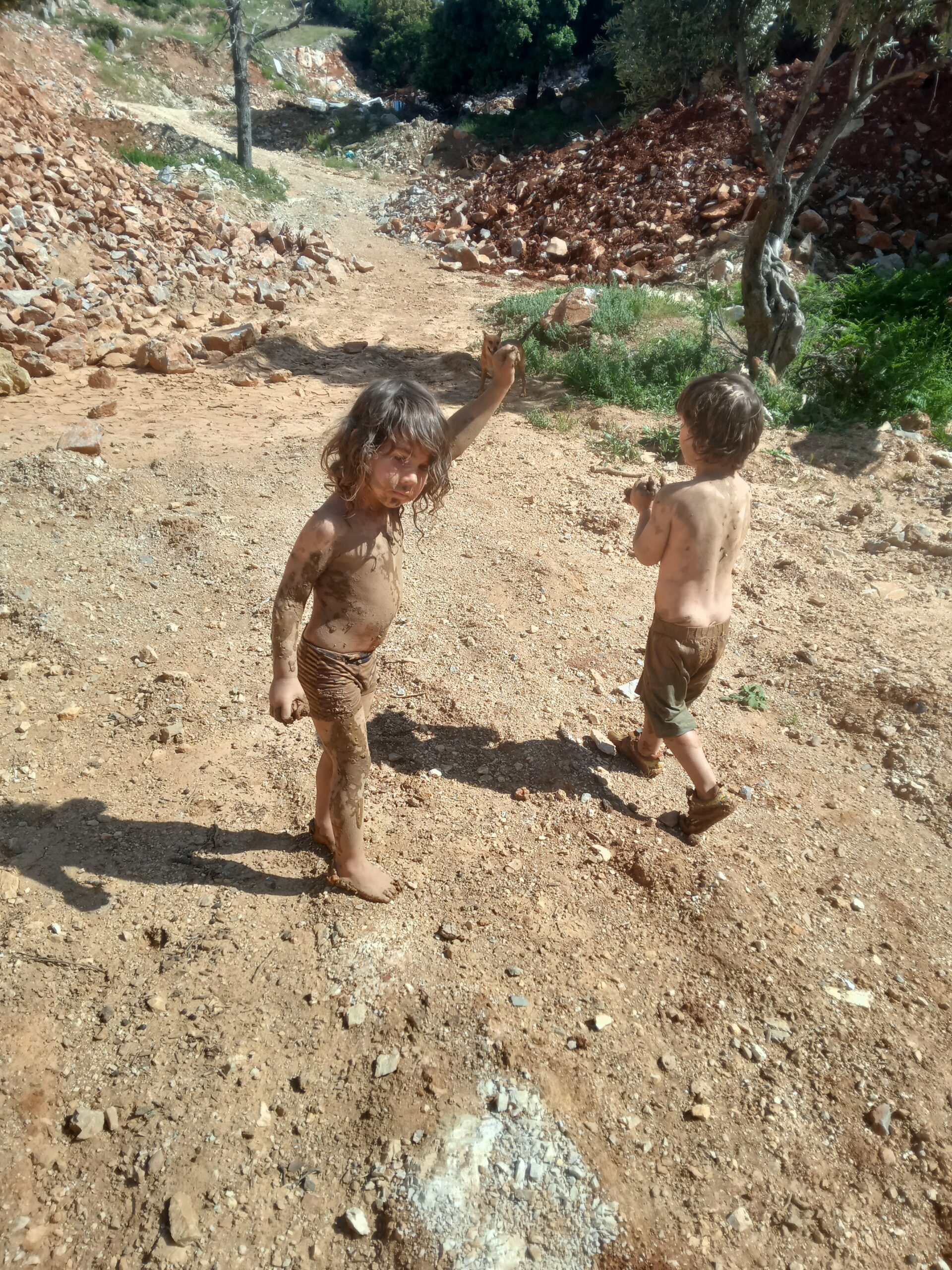
Children spend extended time outdoors, developing autonomy, resilience, creativity, and a deep relationship with the natural world.
Learning emerges through exploration, seasonal rhythms, play, tools, stories, and observation, not through desks or bells.
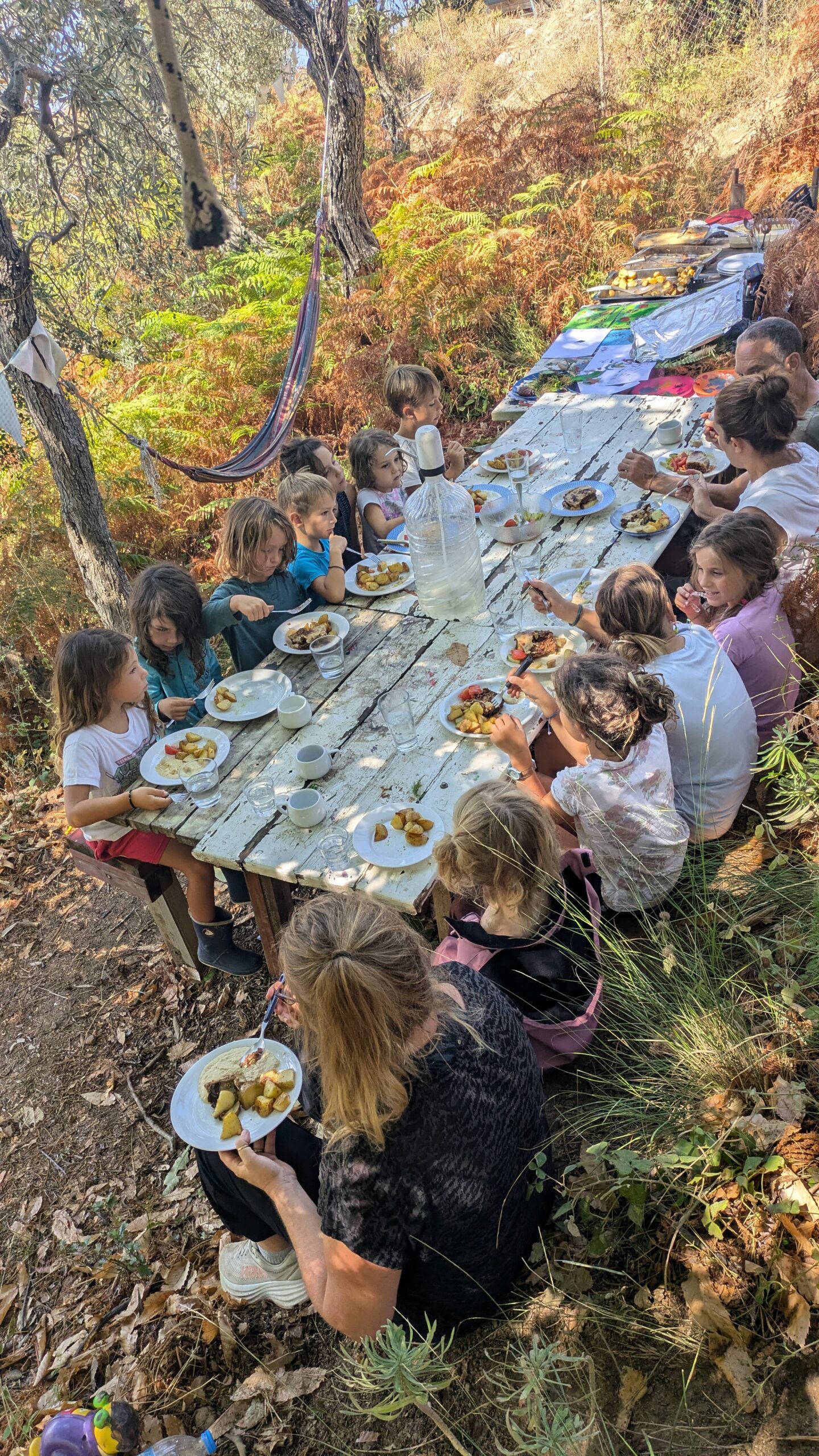
Living off-grid, surrounded by forest and sea, our daily life naturally aligns with these principles, even when we don’t label it as such.
Democratic & Self-Directed Schools
Learning with voice and choice
Democratic schools are based on shared governance, equality, and student voice.
Learners participate in decisions that affect their daily life and learning environment.
Self-directed learning trusts that curiosity is a powerful driver when young people are supported, respected, and free to explore.
Joyce ’n’ Fun is a member of EUDEC (European Democratic Education Community), connecting us with schools, projects, and educators across Europe who work toward more just, inclusive, and participatory learning systems.
Learning Networks & Ecoversities
Education as a living web
Beyond schools, many learning experiences emerge through networks, communities, and peer-to-peer education.
We are also part of the Ecoversities Alliance, a global network of grassroots learning spaces rooted in ecology, social justice, indigenous knowledge, and community-based education.
These networks remind us that education doesn’t need to be centralized to be meaningful, it needs to be connected, relational, and alive.
Our Role
Holding space, not answers
At Joyce ’n’ Fun, we don’t tell families or young people what to choose.
We:
share lived experience
host learning spaces
connect people and projects
support reflection and exploration
Alternative education is not about replacing one rigid system with another.
It’s about finding pathways that respect children, families, communities, and the world we live in.